



laminador en frío reversible
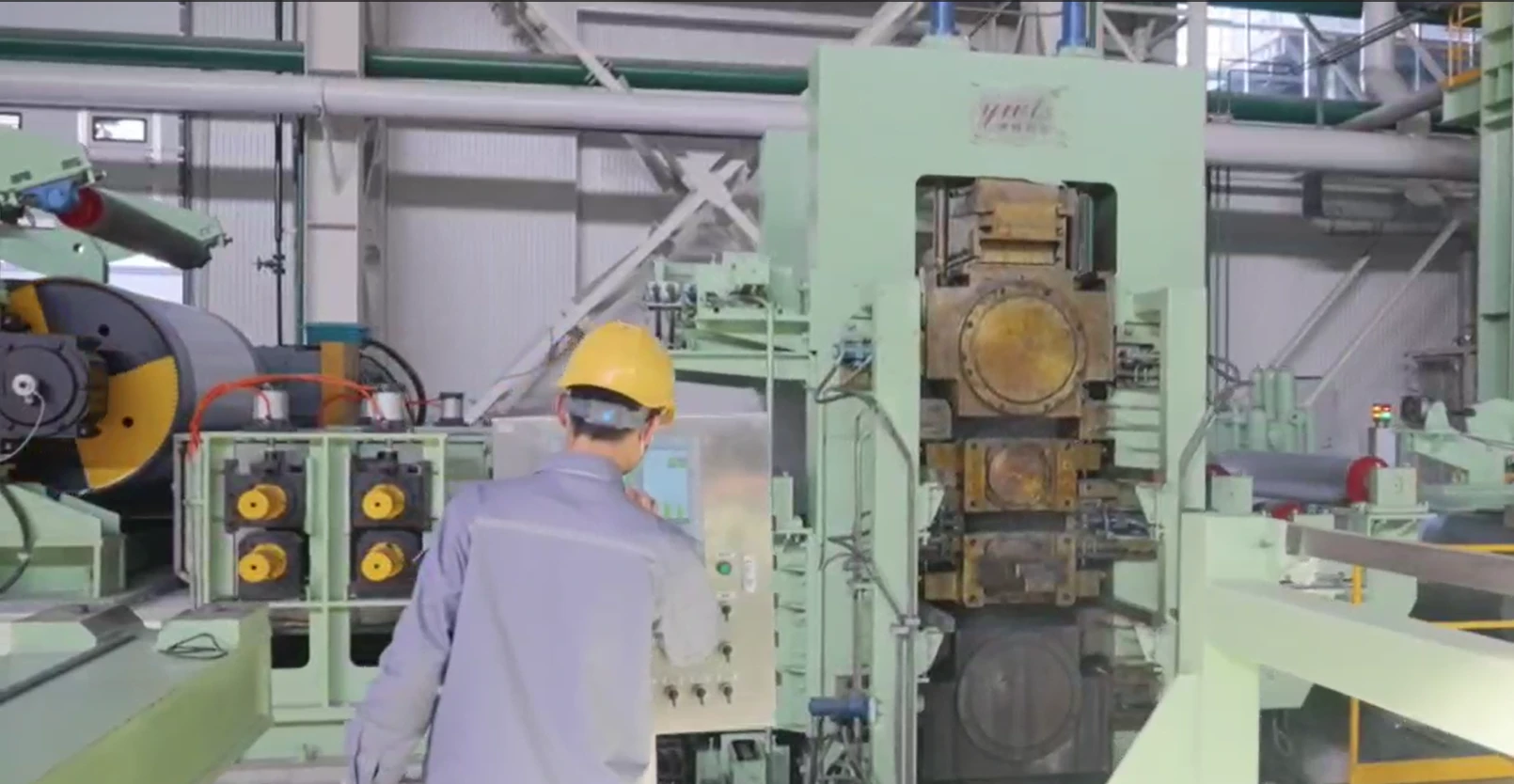
The reversible cold rolling mill is a critical piece of equipment in modern steel manufacturing, enabling precise thickness reduction and mechanical property enhancement through controlled deformation. Unlike tandem mills, a reversing cold rolling mill processes the strip in multiple passes, alternating the rolling direction to achieve the desired gauge and material characteristics. This unique processing method in a cold reversing mill significantly influences the steel's strength, ductility, and microstructure, making it indispensable for producing high-quality strip steel for automotive, appliance, and precision engineering applications. Fundamentals of the Reversing Cold Rolling Mill Process Mechanics of Deformation in a Cold Reversing Mill The reversible cold rolling mill operates by passing the steel strip back and forth between work rolls, progressively reducing thickness with each pass. Unlike hot rolling, cold rolling in a reversing rolling mill occurs below the recrystallization temperature, leading to work hardening and significant changes in the steel's microstructure. The absence of dynamic recovery mechanisms means that dislocations accumulate, increasing strength while reducing ductility. Key Process Parameters in a Reversing Cold Rolling Mill Several factors in a reversing cold rolling mill influence the final mechanical properties of steel: Reduction per pass – Determines the degree of strain hardening. Rolling speed – Affects heat generation and deformation uniformity. Interpass annealing (if used) – Controls recrystallization between passes. Roll force and tension – Influences flatness and residual stress distribution. Each pass in a cold reversing mill refines the grain structure, increasing dislocation density and altering the steel's mechanical behavior. Effect of Reversible Cold Rolling on Yield Strength and Tensile Strength Work Hardening Mechanisms in a Reversing Rolling Mill As steel undergoes multiple passes in a reversible cold rolling mill , dislocation multiplication leads to pronounced work hardening. The yield strength (YS) and tensile strength (TS) increase significantly, with the exact magnitude depending on: Total cumulative reduction – Higher reductions lead to greater strength increases. Initial material condition – Annealed steel hardens more dramatically than pre-rolled material. Alloy composition – Carbon and microalloyed steels exhibit stronger hardening responses. For low-carbon steel, a 50% reduction in a reversing cold rolling mill can double the yield strength, while high-strength low-alloy (HSLA) steels may see even greater increases. Anisotropy Development in Cold Reversing Mills Due to the directional nature of rolling, a reversing rolling mill induces anisotropy in mechanical properties. The longitudinal (rolling) direction typically exhibits higher strength than the transverse direction, a factor that must be considered in forming applications. Reversing Cold Rolling Mill : Ductility and Elongation Changes in Reversibly Rolled Steel Trade-off Between Strength and Ductility While a reversible cold rolling mill enhances strength, it simultaneously reduces elongation and formability. The increased dislocation density restricts plastic flow, making the material more brittle. For deep-drawing applications, manufacturers often use an intermediate annealing process to restore ductility before final rolling passes. Fracture Behavior in Cold Rolled Steel Heavily cold-rolled steel from a reversing cold rolling mill tends to exhibit a sharper yield point elongation (YPE) and lower uniform elongation. This behavior is critical in applications requiring stretch formability, where controlled rolling schedules must balance strength and ductility. Reversing Cold Rolling Mill : Influence on Hardness and Microstructural Evolution Microstructural Refinement in a Cold Reversing Mill The reversing rolling mill process generates elongated grain structures and deformation textures. With increasing strain, dislocation cells form, eventually evolving into a heavily deformed microstructure with subgrain boundaries. This refined structure contributes to the increased hardness observed in cold-rolled products. Hardness Distribution Across Strip Thickness Due to friction and deformation zone geometry, a reversible cold rolling mill often creates a hardness gradient through the strip thickness. The surface layers experience higher shear strains, resulting in greater hardness compared to the center. This effect must be managed in applications requiring uniform mechanical properties. Residual Stresses and Their Impact on Dimensional Stability of Reversing Cold Rolling Mill Origin of Residual Stresses in Reversing Rolling Mills The non-uniform deformation in a cold reversing mill generates residual stresses that can affect flatness and machining behavior. Tensile stresses typically develop at the surface, while compressive stresses dominate at the center. These stresses may lead to shape defects such as edge waves or center buckles if not properly controlled. Stress Relief Strategies To mitigate residual stress effects, manufacturers may employ: Tension leveling after rolling Low-temperature annealing Optimized roll force distribution in the reversible cold rolling mill Reversing Cold Rolling Mill : Comparison with Other Rolling Methods Reversing vs. Tandem Cold Rolling Mills While tandem mills offer higher productivity, the reversing cold rolling mill provides superior flexibility in processing different grades and achieving precise mechanical properties. The multi-pass nature of reversing rolling mills allows for better control over work hardening rates and final material characteristics. Advantages of Cold Reversing Mills for Specialty Steels For high-strength or thin-gauge products, the cold reversing mill offers distinct advantages in property control compared to continuous mills. The ability to adjust parameters between passes makes it ideal for processing advanced high-strength steels (AHSS) and electrical steels. Future Trends in Reversible Cold Rolling Mill Technology Advanced Process Control Systems Modern reversible cold rolling mills increasingly incorporate AI-based control systems that optimize rolling schedules in real-time based on mechanical property predictions. These systems adjust reduction ratios, speeds, and tensions to achieve target properties with minimal trial and error. Integration with Industry 4.0 The next generation of reversing rolling mills will feature enhanced connectivity, with sensors providing real-time feedback on microstructure evolution and property development. This data-driven approach will enable unprecedented control over mechanical properties. Optimizing Mechanical Properties Through Reversible Cold Rolling Mill The reversible cold rolling mill remains an essential tool for tailoring steel's mechanical properties to specific application requirements. By carefully controlling the reversing rolling mill process parameters, manufacturers can precisely engineer strength, ductility, and hardness characteristics. As technology advances, the cold reversing mill will continue to evolve, offering even greater precision in mechanical property control for tomorrow's high-performance steel products. Understanding these process-property relationships enables steel producers to maximize the potential of reversible cold rolling technology, delivering materials that meet the increasingly demanding requirements of modern engineering applications.

We have successfully executed over 500
projects around the world,
many first-of-their-kind
research projects and products in China, including
We have successfully executed over 500
projects around the world,
many first-of-their-kind
research projects and products in China, including
-
2004
The 1st hydraulic AGC system for hot rolling of ribbon steel
-
2006
The 1st AFC system used for 1450mm skin pass mill
-
2009
The 1st 5-stand tandem line with 2-stand POR & Uncoiler for 650mm ribbon steel
-
2012
The 1st reversing mill for 1380mm strip
-
2016
The 1st soft-rolling system used in skin pass mill
-
2019
The 1st fully automated medium-width tandem cold rolling mill
-
2021
The 1st 5000KN Twin-stand double skin pass mill
-
2022
The 1st coupled pickling line & tandem cold mill with two modes - big roller & small roller
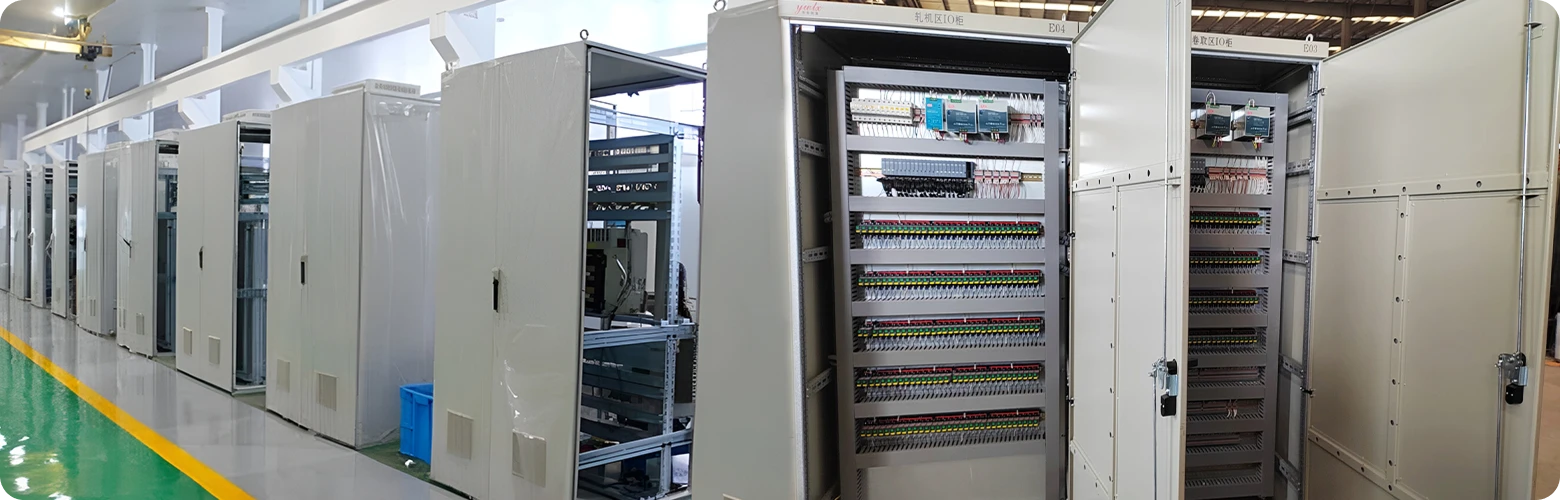
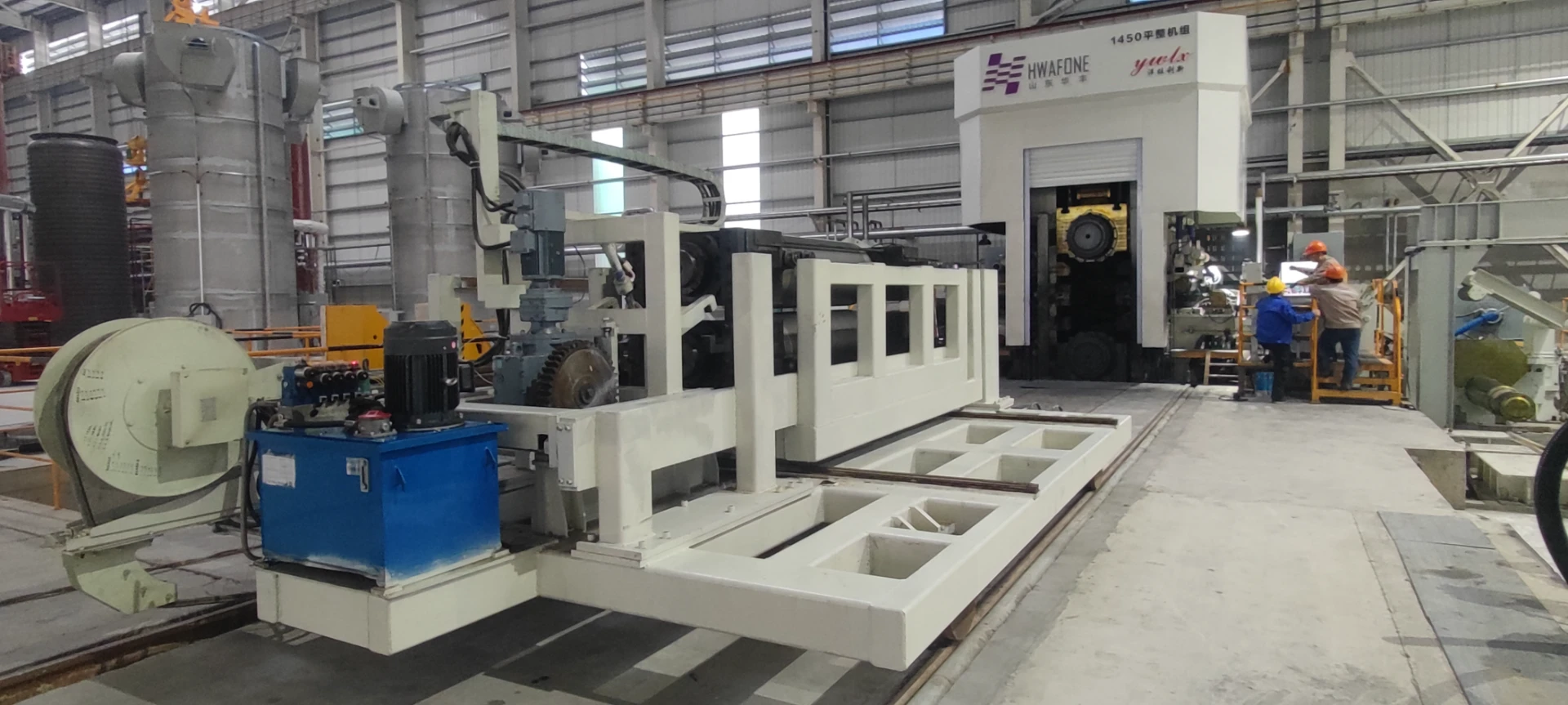
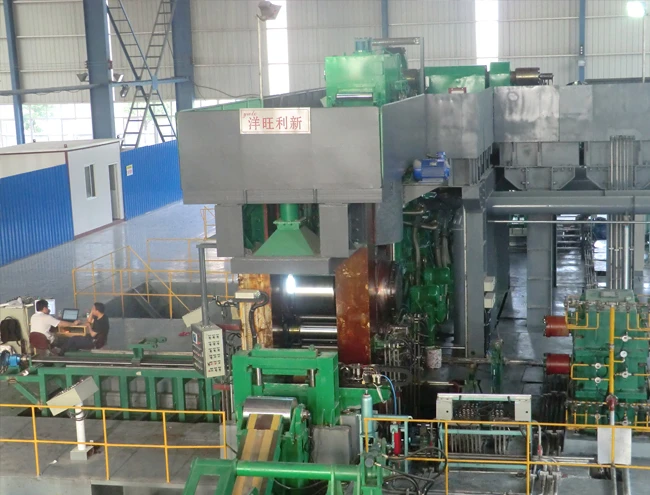

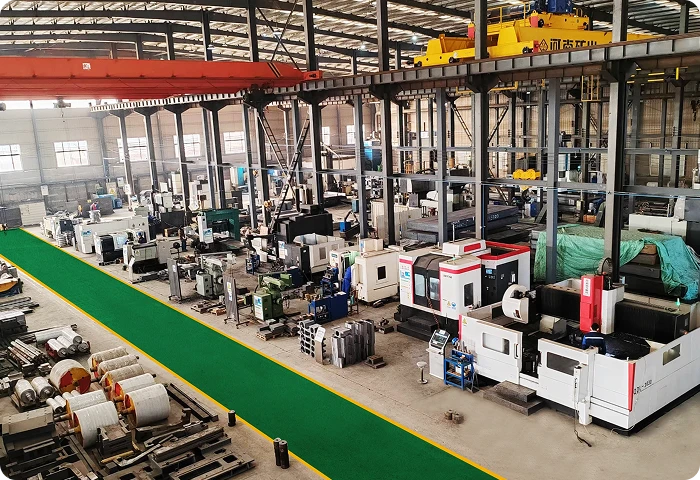
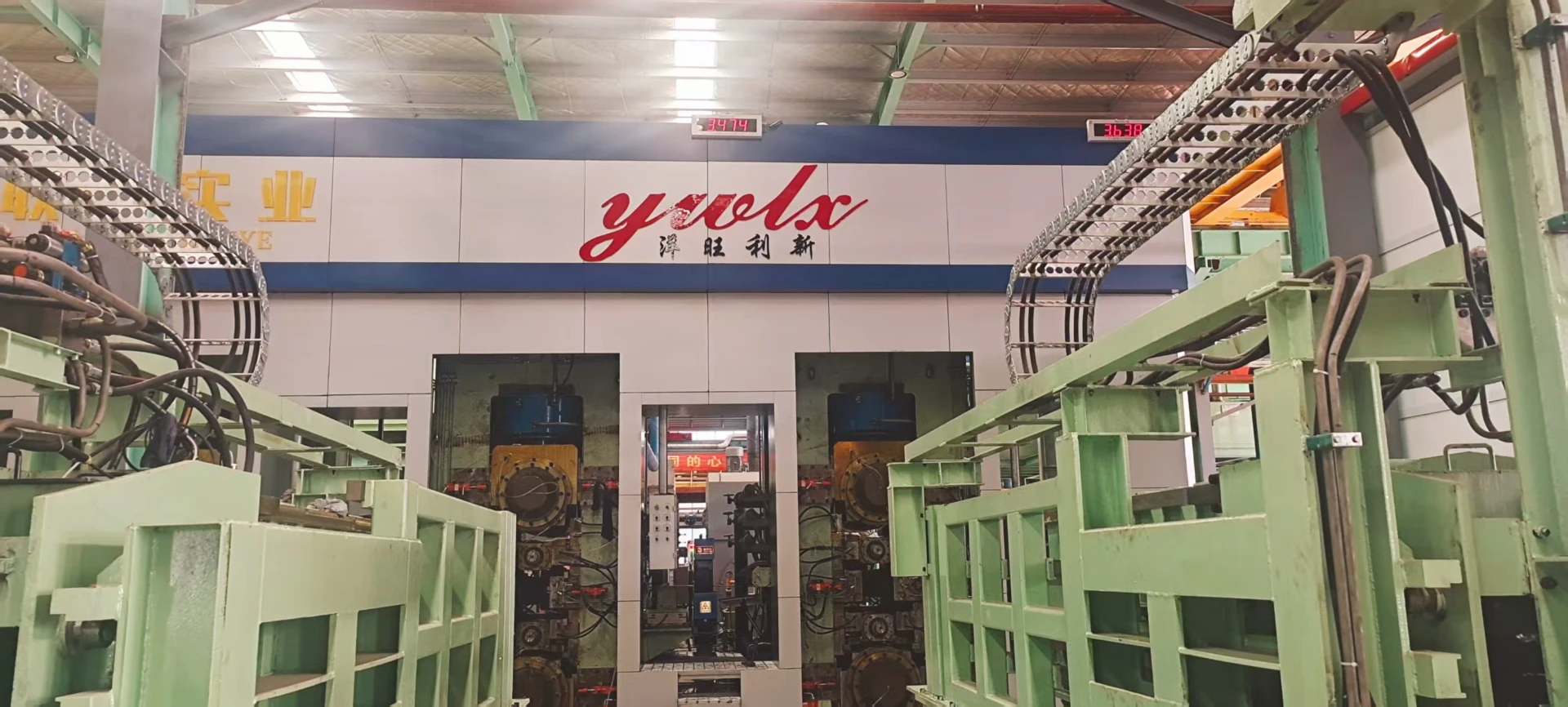
Yang Wang Li Xin operates a state-of-the-art facility over 66,000 square meters,and our manufacturing facility is fully equipped with high-tech machinery and high-capacity cranes. This enables us to handle large work pieces measuring 4.5m in width, 10m in length, and 1.5m in height, guaranteeing our capacity to produce 1800mm skin-pass mills and 1450mm rolling mills. The individual piece can weigh up to 100 tons.

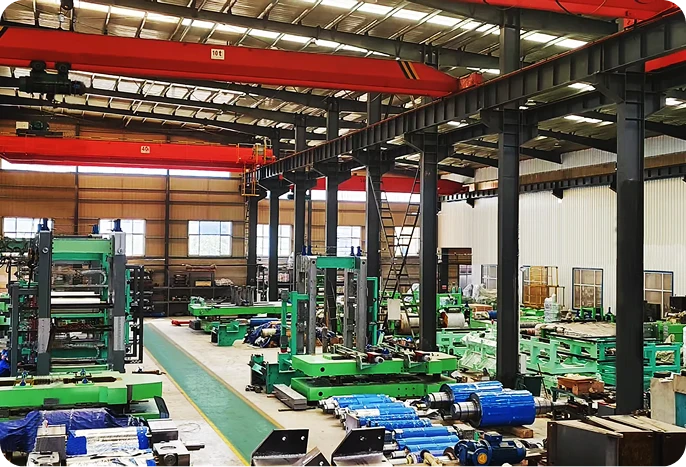

Quality is fundamental to the enterprise survival. We have established a comprehensive and meticulous quality management system and have successfully obtained ISO14000 certification. Starting from the design source, it supervises the entire production cycle, including design, procurement, processing, assembly, in-factory testing, installation, and online commissioning. The workshop is equipped with measuring tools like vernier calipers, spectrometers, hardness testers, and ultrasonic flaw detectors. They are used to check materials and control tolerances to ensure the final equipment meets or exceeds requirements. All products have a unique code, This enables the easy identification and traceability of the equipment components and ensures full control of quality.


-
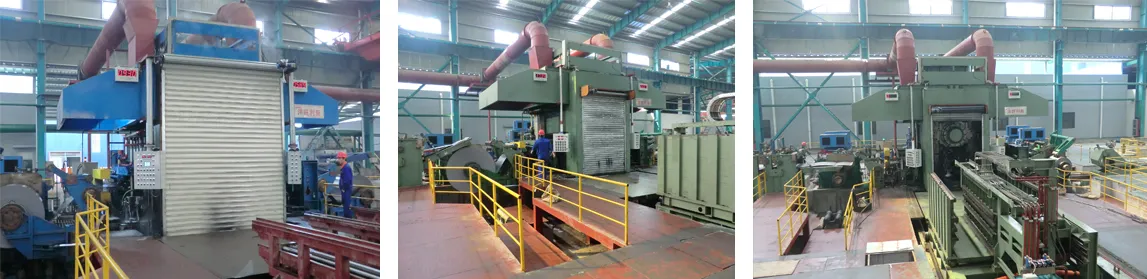 производители станов холодной прокаткиThe Manufacturers of Cold Rolling Mills An Overview Cold rolling is a crucial process in the metalworking industry, where metal sheets or strips are reduced in thickness through the application of mechanical pressure at temperatures below their recrystallization point. This technique not only enhances the mechanical properties of metals, such as strength and hardness, but also improves surface fin
 -
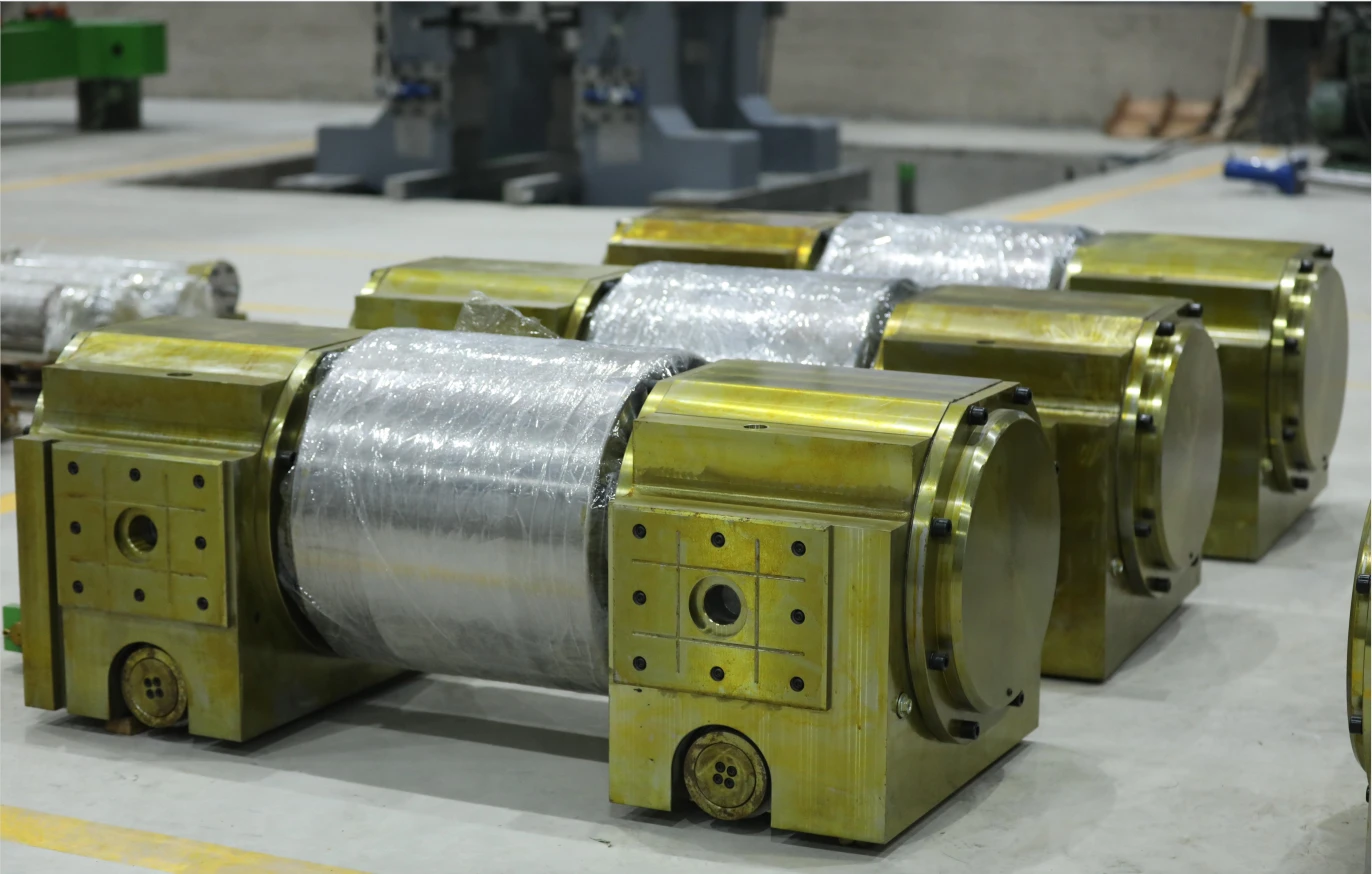 Cladding Rolling Mill - Beijing Yang Wang Li Xin Sci&Tech Co.,Ltd. | Cold Rolling Technology&High YieldCladding Rolling Mill is a cutting-edge solution developed by Beijing Yang Wang Li Xin Sci&Tech Co.,Ltd. (formerly Shijiazhuang Yangwang Electromechanical Technology Co., Ltd.), offering a sustainable and efficient method for producing high-quality bimetallic and trimetallic strips. This technology addresses the limitations of traditional methods like hot roll bonding cladding and explosive claddi
 -
 Cold Rolling Mill Process and its Synonyms in the IndustryThe Process of Cold Rolling A Glimpse into an Essential Metalworking Technique Cold rolling is a crucial process in the metalworking industry, widely utilized for shaping and refining metals such as steel, aluminum, and copper. This technique involves the deformation of metal strips or sheets at room temperature, which contrasts with hot rolling, where metals are processed at elevated temperatures


